top of page
Automatsko navodnjavanje Zadar

Irrigation systems in Zadar and the surrounding area

We offer design, installation and maintenance of professional irrigation systems in the Zadar area and its surroundings. We adapt the systems to private gardens, villas, apartment buildings, hotels, commercial areas and other more demanding users. We plan each solution according to the available water pressure and flow, the size of the area, the type of plants and the actual needs of the user.

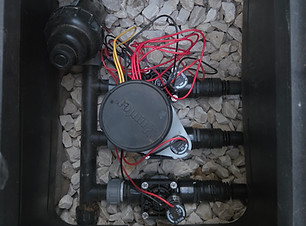
Installation of an irrigation shaft in Zadar

Funkcionalni šahtovi po mjeri sustava

Not every system is the same. When there is enough space in the manhole, we can also provide additional practical connections, such as a tap, quick hose connection or other equipment that can be neatly hidden inside the manhole, according to the user's needs. This way, the system remains functional, clear and aesthetically unobtrusive in the garden.
Drip system installation Zadar

Separate drip zones
 

​Plants with different needs should not be watered the same way. That's why we divide the drip system into separate zones for hedges, flower beds, planters or individual groups of plants as needed. This allows the watering duration to be adjusted more precisely to each zone, while keeping water consumption under control.

Installation of sprinklers for irrigation Zadar

Lawn irrigation with pop-up sprinklers

For lawns, we use pop-up sprinklers and rotors adapted to the shape of the surface, available pressure and water flow. By properly arranging and overlapping the jets, we achieve even watering, without dry areas and unnecessary spraying of paths, walls and surrounding surfaces.

System planning according to field conditions

Planning according to pressure, flow and garden needs

Before designing the system, we check the available water flow and pressure, and take into account the shape of the terrain, the size of the area, and the needs of the plants. Based on this information, we divide the system into appropriate zones so that sprinklers, drip irrigation, and other types of irrigation work evenly and without unnecessary strain on the water source. We inspect each terrain individually, and an assessment of the needs of the plants and the method of irrigation is performed by a Master of Agronomy.

Equipment adapted to each zone

Depending on the purpose, we use pop-up sprinklers and rotors for lawns, drip pipes for hedges and flower beds, and individual drippers for planters and plants with special needs. The system can be fully automatic, controlled by a classic programmer, a battery-powered device, or smart control via an app. Depending on the project requirements, we use components from manufacturers such as Rain Bird, Hunter, and Irritec. When there is no electrical connection at the location, we use battery-powered programmers that control the valves without the need for a mains power supply.

Installation and repair of existing systems

In addition to installing new systems, we also reconstruct existing and poorly executed installations. We replace faulty valves, sprinklers, drippers and programmers, adjust the layout of zones and correct irregularities that cause low pressure, dry sections or unnecessary water consumption. After the work is completed, we test the system, adjust the duration and schedule of watering and show the user basic system management and maintenance.

Frequently asked questions

1. Koliko košta ugradnja sustava navodnjavanja?

Cijena ugradnje sustava navodnjavanja ne određuje se samo prema površini vrta. Na konačan iznos utječu raspoloživi tlak i protok vode, broj zona, duljina cijevi, broj ventila i prskalica, vrsta programatora te pristupačnost terena. Uređeni vrtovi sa stazama, zidovima i postojećim biljem obično zahtijevaju više rada od sustava koji se ugrađuje tijekom početnog uređenja okućnice.

Za okvirnu procjenu korisno je poslati lokaciju, približnu površinu vrta, nekoliko fotografija i podatak o izvoru vode. Točnija ponuda izrađuje se nakon pregleda terena.

2. Može li se sustav navodnjavanja ugraditi u već uređeni vrt?

U većini slučajeva sustav navodnjavanja može se ugraditi i u postojeći vrt. Način izvedbe ovisi o rasporedu travnjaka, biljaka, staza, zidova, bazena i drugih prepreka kroz koje nije moguće jednostavno provesti cijevi.

Prije početka radova određuje se najpraktičnija trasa kako bi se što manje oštetile postojeće površine. Kod travnjaka se rovovi nakon ugradnje zatvaraju, a gdje uvjeti dopuštaju, busen se može pažljivo podignuti i vratiti. Tragovi radova u početku mogu biti vidljivi, ali se travnjak uz pravilnu sanaciju postupno oporavlja.

3. Koliko zona navodnjavanja treba moj vrt?

Broj zona ne određuje se samo prema veličini vrta. Najvažniji su raspoloživi protok vode, potrošnja prskalica ili kapaljki te različite potrebe pojedinih dijelova okućnice.

Travnjaci, živice, ukrasne gredice i žardinjere uglavnom se ne bi trebali navodnjavati istodobno ni jednakim trajanjem. Također, sunčani dio vrta može imati veće potrebe za vodom od zasjenjenog dijela. Pravilnom podjelom na zone svaka skupina biljaka dobiva odgovarajuću količinu vode, a sustav radi unutar mogućnosti izvora.

4. Koliki tlak i protok vode trebaju za sustav navodnjavanja?

Potrebni tlak i protok ovise o vrsti prskalica, dizni, kapaljki i ukupnoj veličini sustava. Nije dovoljno znati samo tlak vode jer izvor može imati zadovoljavajući tlak, ali nedovoljan protok za istodobni rad većeg broja prskalica.

Prije planiranja sustava potrebno je izmjeriti koliko vode izvor može isporučiti tijekom rada. Na temelju tog podatka odabiru se komponente i određuje koliko ih može raditi u istoj zoni. Ako su dostupni uvjeti slabiji, sustav se može podijeliti u više manjih zona koje se uključuju jedna nakon druge.

5. Troši li automatski sustav više vode od ručnog zalijevanja?

Dobro projektiran i pravilno podešen automatski sustav ne mora trošiti više vode od ručnog zalijevanja. Njegova prednost je u tome što svaku zonu može zalijevati određeno vrijeme i prema unaprijed postavljenom rasporedu.

Ušteda ovisi o pravilnom rasporedu prskalica, izbjegavanju zalijevanja staza i zidova, prilagođavanju programa godišnjem dobu te redovitom održavanju sustava. Loše podešena automatika, puknuta cijev ili neispravna prskalica mogu povećati potrošnju, zbog čega sustav treba povremeno pregledati i prilagoditi stvarnim potrebama vrta.

6. Je li za moj vrt bolji sustav kap po kap ili prskalice?

Prskalice se najčešće koriste za travnjake i druge površine koje trebaju ravnomjerno zalijevanje po cijeloj površini. Sustav kap po kap prikladniji je za živice, ukrasne gredice, voćke, žardinjere i pojedinačne biljke jer vodu dovodi bliže području korijena.

U većini vrtova najbolje rješenje nije odabir samo jednog sustava, nego njihova kombinacija. Travnjak se navodnjava prskalicama, dok se biljke u gredicama i živicama zalijevaju kap po kap. Te se površine odvajaju u zasebne zone jer nemaju jednake potrebe za vodom ni jednako trajanje navodnjavanja.

7. Može li automatsko navodnjavanje raditi ako u vrtu nema struje?

Može. Na lokacijama bez dostupnog električnog priključka mogu se koristiti baterijski programatori i odgovarajući ventili. Takvi uređaji omogućuju automatsko pokretanje pojedinih zona bez potrebe za mrežnim napajanjem.

Ovisno o odabranom modelu, programatorom se može upravljati izravno na uređaju ili putem Bluetooth veze i mobilne aplikacije. Baterijski sustavi posebno su praktični za udaljene šahtove, postojeće vrtove u kojima nije moguće jednostavno dovesti kabel te manje sustave navodnjavanja.

8. Koliko često i koliko dugo treba zalijevati travnjak i biljke?

Ne postoji jedno univerzalno trajanje zalijevanja koje odgovara svakom vrtu. Potrebna količina vode ovisi o vrsti biljaka, tlu, izloženosti suncu i vjetru, godišnjem dobu te količini vode koju prskalice ili kapaljke stvarno isporučuju.

Novoposađene biljke i tek zasijani travnjaci zahtijevaju drukčiji režim od već ukorijenjenih biljaka. Tijekom ljeta program se obično povećava, dok ga je u hladnijem dijelu godine potrebno smanjiti ili potpuno isključiti. Nakon puštanja sustava u rad određuje se početni raspored, koji se kasnije prilagođava stanju biljaka i vremenskim uvjetima.

9. Koliko traje ugradnja i koliko će vrt biti raskopan?

The duration of the work depends on the size of the garden, the number of zones, the type of terrain, the amount of excavation and obstacles such as concrete paths, stone walls or existing installations. Smaller and simpler systems can be implemented relatively quickly, while more complex gardens and reconstructions require more time.

Pipes are most often laid in narrow trenches that are closed again after installation. The goal is to carry out the work with as little damage to the existing garden as possible, but some traces of excavation may be visible immediately after completion. The exact deadline can be estimated after a site inspection.

10. Can the existing irrigation system be repaired or upgraded?

In many cases, an existing system can be repaired, adjusted or partially upgraded. Service may include replacing valves, solenoids, sprinklers, nozzles, drippers or programmers, as well as re-allocating zones and adjusting the direction and range of sprinklers.

For older or poorly constructed systems, it is first necessary to check the condition of the installation and determine the cause of the problem. Sometimes replacing a few components is sufficient, while in the case of more serious damage or incorrect layout, partial reconstruction is more cost-effective. After the inspection, it is possible to assess whether it makes more sense to repair, upgrade or replace the existing system.

​

​

What does collaboration look like?

  1. sending location, photos and basic information

  2. survey of terrain and water sources

  3. zone planning and equipment selection

  4. making an offer

  5. installation and testing

  6. programmer settings and user instructions

Area of work

We install and maintain irrigation systems in the areas of Zadar, Bibinje, Sukošan, Petrčane, Nin, Biograd na Moru, Sveti Filip i Jakov and other places in Zadar County, depending on the scope of the work.

Do you need a new system or repair an existing one?

Send us the location, approximate area and a few photos of your garden or existing system. Based on the basic information, we can assess the next step and whether a site survey is required.

bottom of page